Comb Ceramic Culture Finland

Pit Comb Ware Culture
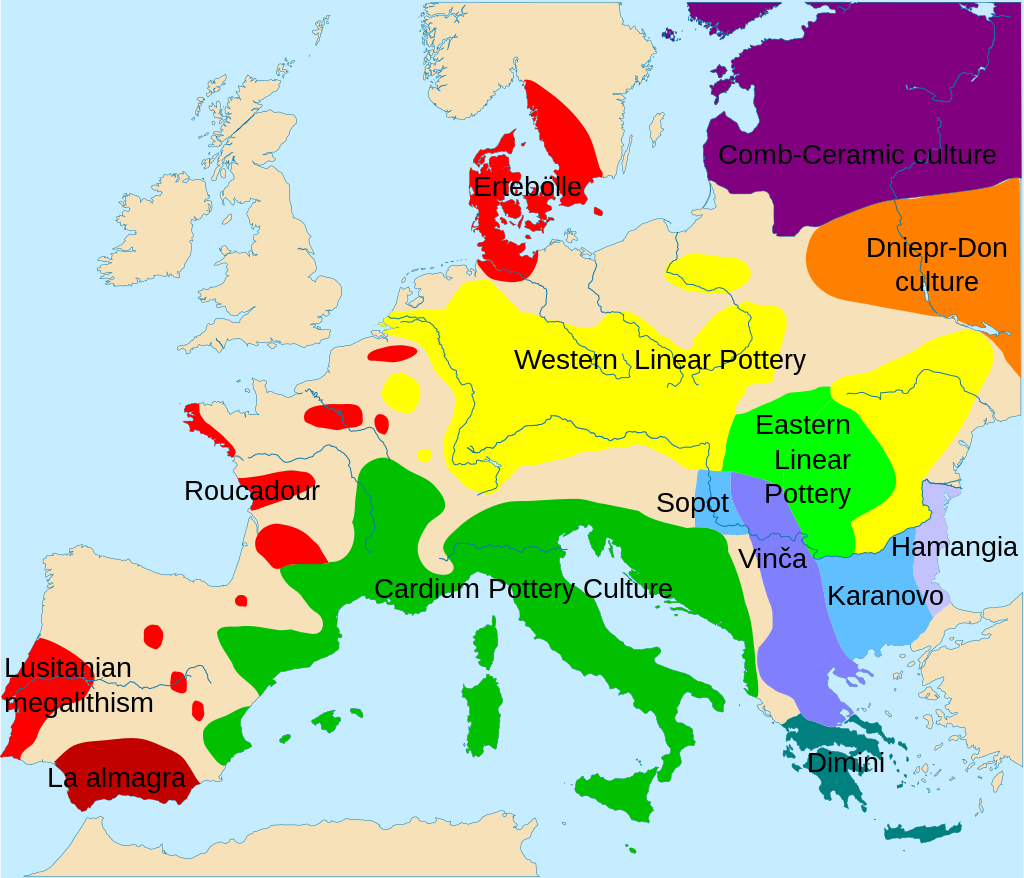
Comb Ceramic Culture Arktos

Three Ceramic Tradition Trajectories Influencing The Development Of Download Scientific Diagram

Comb Ceramic Culture Wikiwand

Pit Comb And Rhomb Pit Ware Are Highly Numerous In Karelia A H But Download Scientific Diagram

Early And Middle Neolithic Pottery From Finland A B Sperrings 1 Ware Download Scientific Diagram
The name of that culture also derived from the fact that they are decorated with a comb like stamp.
Comb ceramic culture finland. The kiukainen culture arrived in the southwestern coastal region around 2000bc. The comb ceramic culture or pit comb ware culture was a northeast european stone age culture. In shape and decoration this ceramic reflects influences from the comb ceramic culture also known as pit comb ware of finland and other parts of north eastern europe established in the sixth and fifth millennia bc. These are also similar to the art of the comb ware culture.
It took its name from an art that was introduced into finland fully developed. Redirected from pit comb ware culture for the contemporary c. History of finnish culture present day finland was part of the kunda culture up to 5000bc and from 4200bc to 2000bc it belonged to the comb ceramic culture. Origins of comb ceramic figurines ayriipiiii 1942 suggested that finnish comb ceramic figurines were the result of palaeolithic rooted traditions that became expressed in clay with the adoption of pottery.
What is today finland belonged to the northeastern kunda culture until around 5000 bc and the comb ceramic culture from about 4200 2000 bc. A combination of archaeological historical linguistic and genetic evidence suggests that the spread of the comb ceramic culture in northern finland around 4000 b c e. Around the year 3 000 b c a new stone age culture known as the comb ceramic culture spread throughout finland. 3200 2300 bc scandinavian culture with a similar name see pitted ware culture.
Small animal figurines were modelled out of clay as well as bone. The shamanic heritage of the comb ceramic culture is on display in their rock paintings of which there are currently more than 100 identified sites in finland. This is a feasible idea. The following illustration from a children s book about stone age finland portrays what could be a shaman using an iron oxide mixture to create paintings on a rock face along a waterway.
It existed from around 4200 bc to around 2000 bc. The name is derived from the most common type of decoration on its ceramics which looks like the imprints of a comb. Xinglongwa culture 6200 bc 5400 bc. The oldest comb ceramic is found in the remains of liao civilization.
The art of pottery making. This type of pottery was widely distributed in the baltic finland the volga upstream flow south siberia lake baikal mongolian plateau the liaodong peninsula and the korean peninsula. The comb ceramic culture or pit comb ware culture often abbreviated as ccc or pcw was a northeast european characterised by its pit comb ware.

Comb Pit Ware Designed By T Mokkonen Download Scientific Diagram
Why Is The Finnish Language So Different From Norwegian Swedish And Other Baltic Languages Where Did This Language Originate From Quora
Http Www Sarks Fi Fa Pdf Fa3 17 Pdf
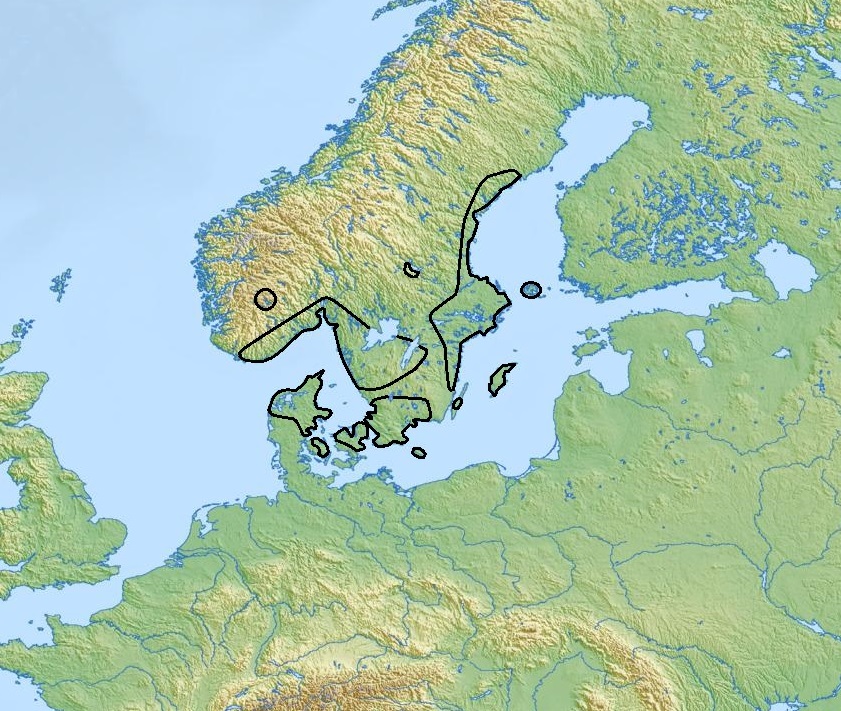
Pitted Ware Culture Wikipedia
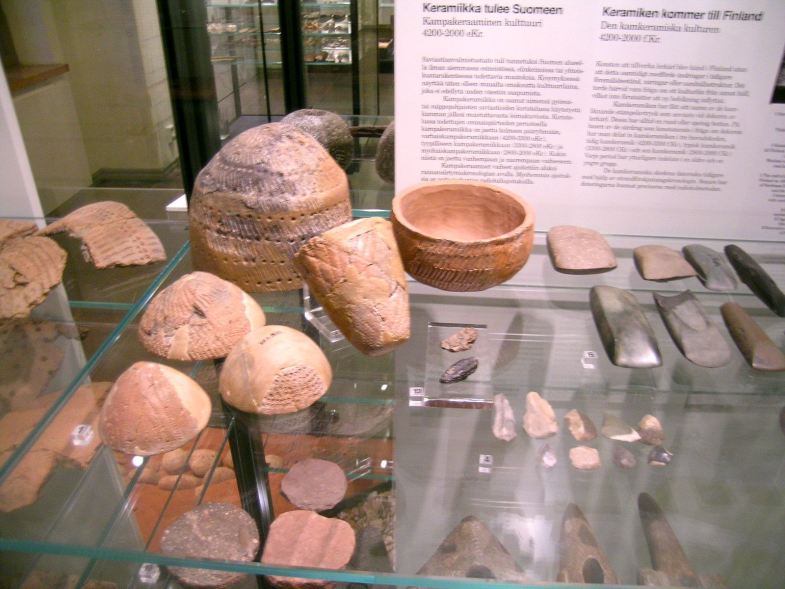
Prehistoric South Karelia
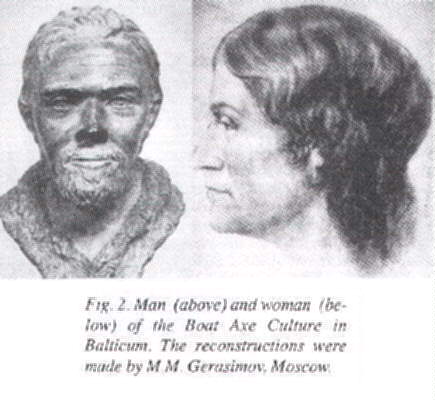
A New Theory On The Biological Roots Of The Finns
Comb Ceramic Culture 978 613 2 02773 3 6132027734 9786132027733

Viii 16 Fennoscandia

Viii 15 Eastern European Forest Zone

Pin On Old Europe Neolithic Cultures

Maps Of Autosomal Dna Based On Academic Papers Admixture Calculators From The Dodecad Project And Eurogenes As Well As 23andme S Ancestry Components Historical Maps Bronze Age European History

Ancient Estonia Wikiwand

Typical And Late Combed Ware Culture Sites And Places With Middle Download Scientific Diagram